


Horripilant
APK 1.1.7Let's build community together and explore the coolest world of APK Games/Apps.
Horripilant APK is a chilling psychological horror game that blends immersive storytelling, challenging puzzles, and intense atmospheric sound design to deliver a truly.
Information
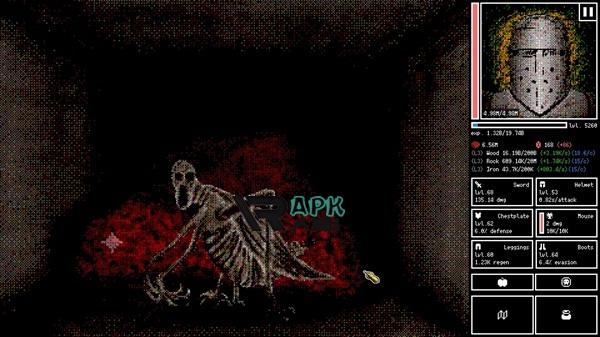
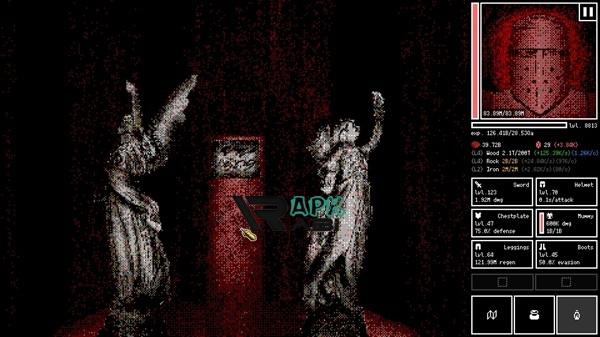
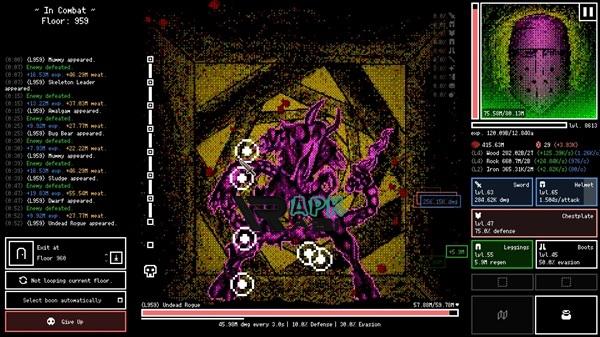
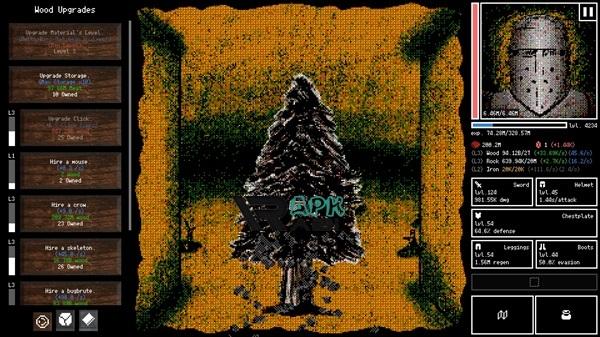
Horripilant APK — A Deep Dive Into the Nightmare-Fueled Horror Experience
In a mobile gaming landscape overflowing with bright colors, cheerful soundtracks, and casual mechanics, Horripilant emerges like a shadow creeping across a candlelit wall—unsettling, mysterious, and impossible to ignore. Designed for players who crave tension, atmosphere, and psychological thrills rather than simple entertainment, this horror title positions itself as an immersive descent into fear itself. From its eerie storytelling to its nerve-wracking gameplay systems, Horripilant isn’t just a game you play; it’s a game you endure.
This detailed breakdown explores everything that makes Horripilant stand out: its narrative design, gameplay mechanics, artistic direction, soundscape, replay value, and why horror fans are quietly calling it one of the most unsettling mobile experiences available.
The Concept: Fear as Gameplay
At its core, Horripilant revolves around a simple yet powerful idea: fear should not just be a theme—it should be a mechanic. Instead of relying solely on jump scares or grotesque visuals, the game uses tension, anticipation, and psychological pressure as active systems that shape how you play.
Every step you take inside the game world feels deliberate. Darkness isn’t just visual atmosphere; it limits your perception. Silence isn’t empty; it signals danger. Even your character’s breathing can become a clue or a liability depending on the situation. This design philosophy transforms the experience from passive horror to interactive dread.
The developers clearly understood a key truth about fear: what you imagine is often scarier than what you see. Horripilant constantly plays with that idea, letting your mind fill gaps with worst-case possibilities.
Storyline and Narrative Depth
Unlike many mobile horror titles that treat story as background decoration, Horripilant places narrative front and center. You play as a lone investigator drawn to an abandoned location tied to a series of unexplained disappearances. What begins as a routine investigation quickly spirals into a layered mystery involving cryptic symbols, fragmented recordings, and traces of something… not entirely human.
Advertisement
The story unfolds through environmental storytelling rather than long exposition. Notes, scratched messages, distorted audio logs, and fleeting apparitions all contribute pieces of the narrative puzzle. The game never outright explains everything, which adds to its intrigue. Players must interpret clues themselves, forming theories about what really happened.
This ambiguity gives the plot remarkable staying power. Even after finishing the game, many players find themselves replaying sections to confirm suspicions or search for hidden lore they might have missed the first time.
Gameplay Mechanics: Survival Through Awareness
Horripilant blends survival horror mechanics with exploration and puzzle-solving. Your character is fragile—there’s no combat system that allows you to simply defeat threats. Instead, survival depends on observation, stealth, and quick thinking.
Key gameplay elements include:
Environmental Interaction
You can manipulate objects, open drawers, move obstacles, and activate mechanisms. Many puzzles require combining items or discovering hidden triggers within the environment.
Sound Sensitivity
Noise attracts attention. Running, dropping items, or slamming doors can alert unseen entities. Players must balance speed with stealth, often choosing between moving quickly or moving safely.
Limited Resources
Light sources, batteries, and tools are scarce. Deciding when to use them becomes a strategic choice. Waste a flashlight charge too early, and you might face pitch darkness later when you need it most.
Unpredictable Threat Behavior
Enemies don’t follow fixed patterns. Their movements adapt, which prevents players from memorizing safe routes. Each encounter feels fresh—and terrifying.
Atmosphere and Visual Design
Visually, Horripilant favors realism blended with stylized darkness. Instead of bright horror clichés, the palette leans toward muted tones, deep shadows, and subtle lighting gradients. This approach enhances immersion while keeping the environment believable.
Textures are detailed enough to reward close inspection, which is important because clues often hide in plain sight. Dusty floors reveal footprints. Wall stains hint at past events. Even lighting angles sometimes guide players subconsciously toward important areas.
The environments themselves deserve special praise. Each location feels distinct and purposeful:
-
Decaying corridors filled with peeling wallpaper
-
Abandoned laboratories with flickering monitors
-
Forgotten storage rooms packed with mysterious crates
-
Underground passages that feel claustrophobic and endless
Rather than overwhelming players with scale, the game focuses on density—every space feels packed with meaning.
Sound Design: The True Star of the Experience
If visuals set the stage, sound delivers the fear. Horripilant’s audio design is arguably its strongest feature. The game uses layered ambient sounds, directional audio cues, and subtle tonal shifts to manipulate your emotions.
You might hear:
-
A distant metallic clang echoing down a hallway
-
Slow footsteps that stop when you stop moving
-
Whispers that seem to come from nowhere
-
Static bursts from broken speakers
These sounds are rarely explained, which makes them even more unsettling. The game weaponizes silence as well; moments without sound often feel more intense than those filled with noise.
Headphones transform the experience entirely. Directional audio becomes crucial for survival, letting you identify threats before you see them.
Puzzle Design and Cognitive Challenge
Horripilant’s puzzles strike a satisfying balance between logic and intuition. They rarely feel random or unfair. Instead, they reward careful observation and memory.
Examples of puzzle types include:
-
Pattern recognition using environmental clues
-
Symbol decoding based on discovered notes
-
Mechanical puzzles involving timing or sequencing
-
Hidden passage discovery through subtle visual hints
Importantly, the game avoids hand-holding. There are no intrusive hints or glowing markers pointing you toward solutions. This design choice respects player intelligence and reinforces immersion.
Solving a puzzle in Horripilant feels like genuine discovery rather than simply following instructions.
Psychological Horror vs. Shock Horror
Many horror games rely on sudden jump scares to startle players. Horripilant uses them sparingly. Instead, it prioritizes psychological tension.
The game frequently builds dread slowly. You might sense something is wrong long before anything actually happens. Subtle environmental changes—like an object moving slightly or a sound appearing where none existed before—create unease without obvious threats.
Advertisement
This approach keeps players constantly alert. You’re never sure whether danger is real or imagined, which keeps adrenaline levels high throughout the experience.
Character Presence Without Overexposure
One fascinating design decision is how the game handles its antagonistic entities. They are rarely shown clearly. Instead, you glimpse silhouettes, reflections, or fleeting shapes in the distance.
This partial visibility preserves mystery. The less you see, the more your imagination fills in—and imagination tends to be far scarier than explicit detail.
When encounters do happen, they feel intense and meaningful rather than repetitive.
Replay Value and Hidden Layers
Despite being story-driven, Horripilant offers strong replay potential. Multiple hidden elements encourage players to return:
-
Alternate endings based on discovered clues
-
Secret rooms containing additional lore
-
Different encounter variations
-
Optional puzzles that unlock deeper story fragments
Completionists will find plenty to explore, while casual players can still enjoy the main narrative without hunting every secret.
Performance and Optimization
From a technical standpoint, the game runs smoothly across a wide range of devices. Load times remain short, controls respond quickly, and frame rates stay stable even in visually complex scenes.
Touch controls are carefully mapped to avoid accidental actions, which is crucial in a game where one wrong move can mean instant failure. The interface remains minimalistic, ensuring immersion is never broken by unnecessary UI clutter.
Emotional Impact on Players
What truly sets Horripilant apart isn’t just its mechanics or graphics—it’s the emotional experience it delivers. Players often report:
-
Heightened tension during exploration
-
Genuine hesitation before opening doors
-
A sense of relief when reaching safe areas
-
Lingering unease even after closing the game
Few mobile titles achieve this level of psychological engagement. It’s the difference between playing a horror game and feeling like you’re inside one.
Strengths That Define the Game
Several qualities make Horripilant memorable:
-
Atmospheric mastery – Every element supports immersion.
-
Intelligent design – Puzzles and mechanics reward thinking.
-
Narrative subtlety – Storytelling invites interpretation.
-
Audio excellence – Sound design carries emotional weight.
-
Replay incentives – Secrets and alternate outcomes extend longevity.
These strengths combine to create an experience that feels crafted rather than assembled.
Minor Limitations
No game is flawless, and Horripilant does have a few small drawbacks:
-
Its slow pacing may not appeal to action-focused players.
-
The lack of direct guidance can occasionally confuse newcomers.
-
Some puzzles may require repeated attempts before understanding the logic.
However, these aspects often enhance the horror tone rather than detract from it. Confusion and uncertainty can actually strengthen immersion when used intentionally.
Who Will Enjoy Horripilant Most?
This game isn’t designed for everyone. It specifically caters to players who:
-
Appreciate slow-burn tension
-
Enjoy solving mysteries independently
-
Prefer atmosphere over combat
-
Like analyzing story clues
-
Value immersion and realism
If someone expects fast action or constant jump scares, they may find the experience too restrained. But for fans of psychological horror, it’s a standout.
Tips for New Players
To survive your first journey into Horripilant’s world, keep these strategies in mind:
-
Move slowly and observe surroundings carefully.
-
Listen more than you look—audio cues are vital.
-
Conserve resources until absolutely necessary.
-
Read every note you find; clues are rarely repeated.
-
When in doubt, hide rather than run.
Patience is the strongest weapon you have.
Final Verdict
Horripilant proves that mobile horror can rival larger platform titles when developers prioritize atmosphere, intelligence, and emotional impact over spectacle. It doesn’t rely on flashy effects or constant action. Instead, it crafts a carefully paced experience that builds fear layer by layer until players are completely immersed.
For those willing to embrace its deliberate pacing and psychological intensity, the game delivers something rare: a horror experience that lingers in your thoughts long after the screen goes dark.
In a genre crowded with predictable scares and recycled ideas, Horripilant stands as a chilling reminder that true fear isn’t loud, fast, or obvious. Sometimes, it’s quiet… waiting… just out of sight.
Let's build community together and explore the coolest world of APK Games/Apps.






1. This is the safest site on the Internet to download APK. 2. Don't ask about the Play Protect warning, we've explained it well, check here. 3. Do not spam, be polite and careful with your words.